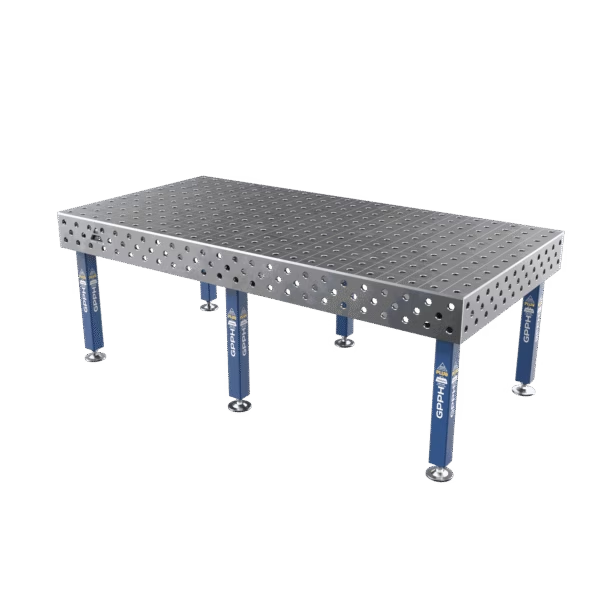
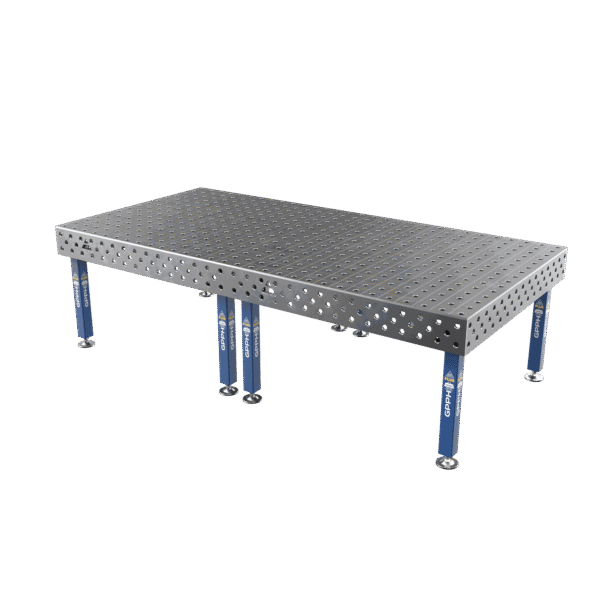
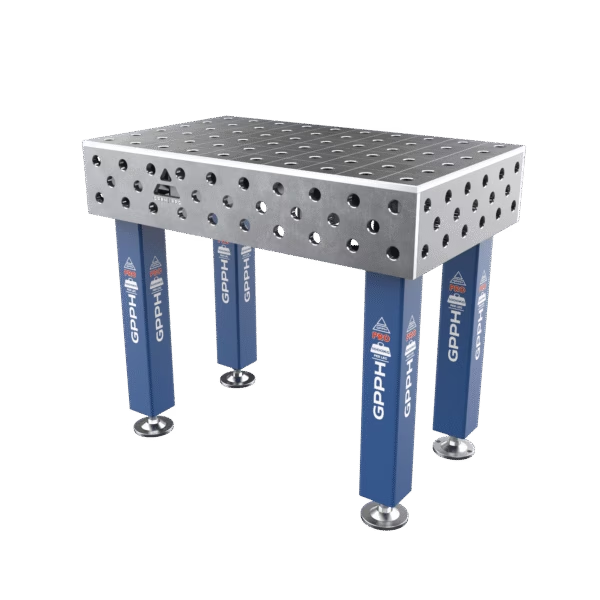
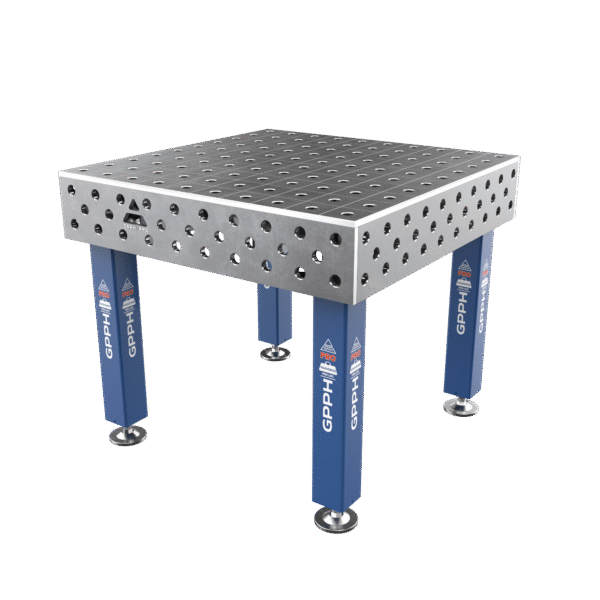
Traditional welding tables - a precise foundation for welding and assembly
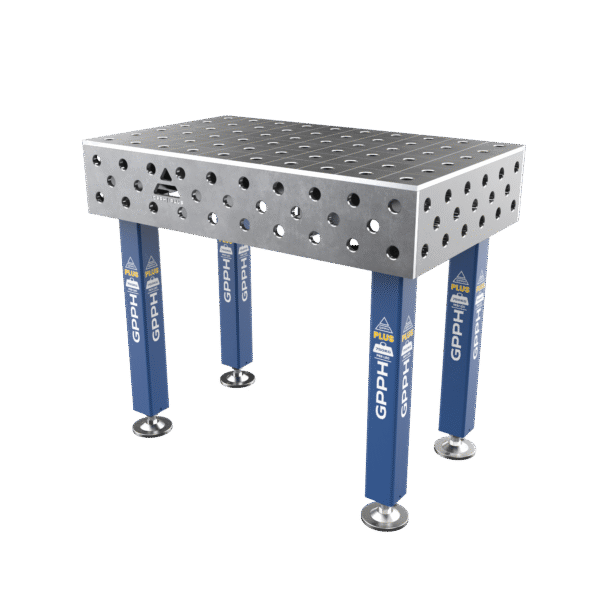
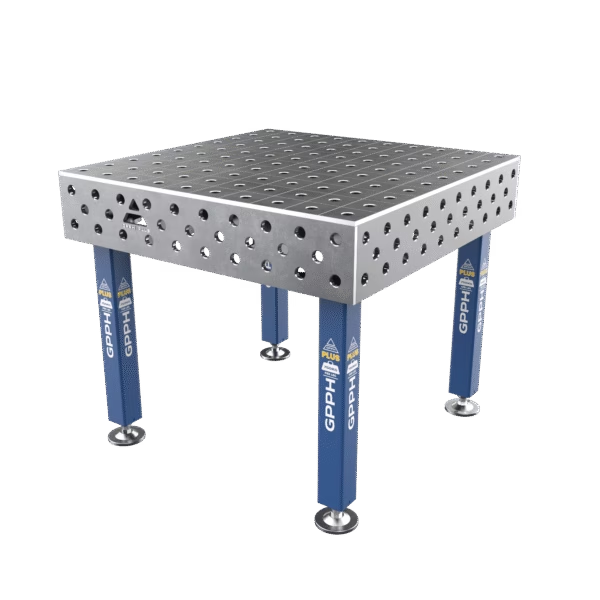
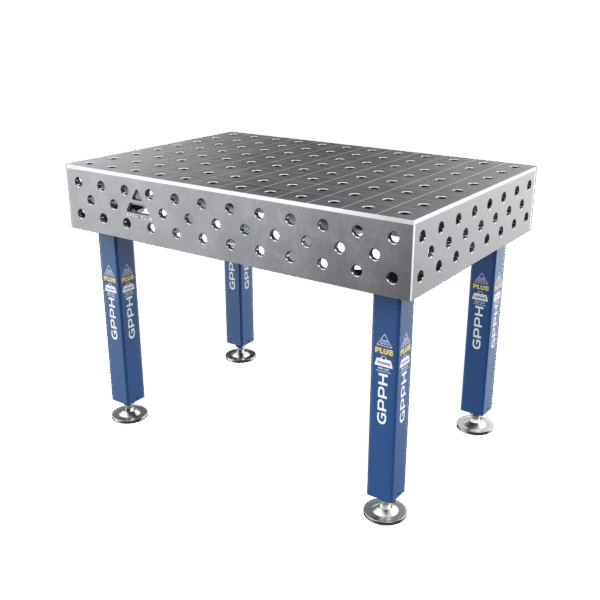
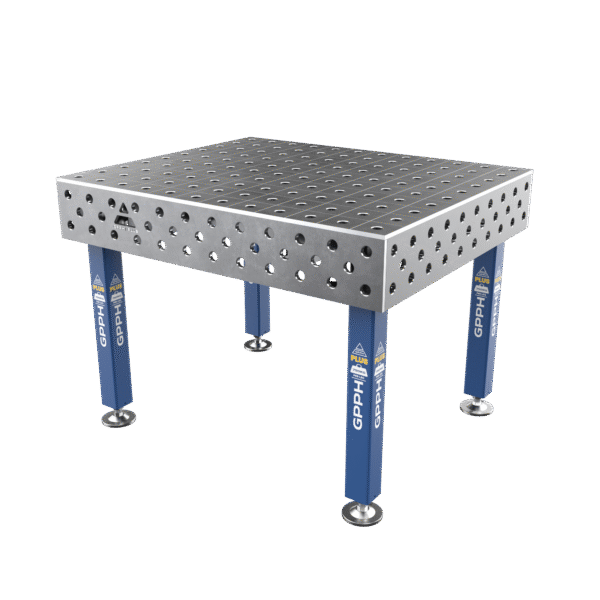
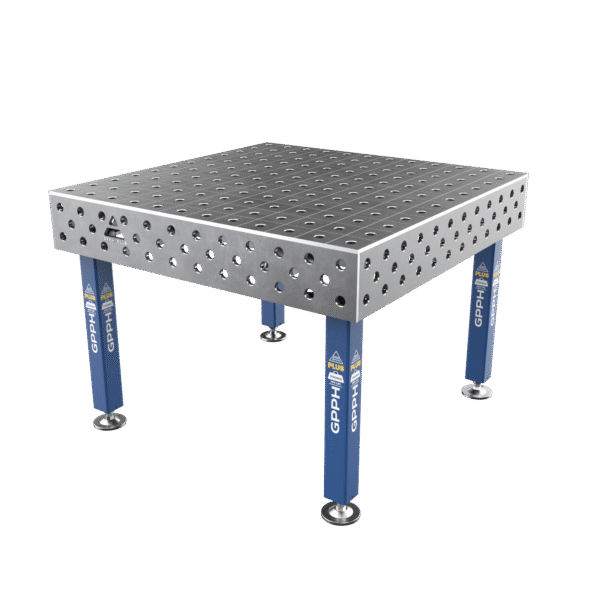
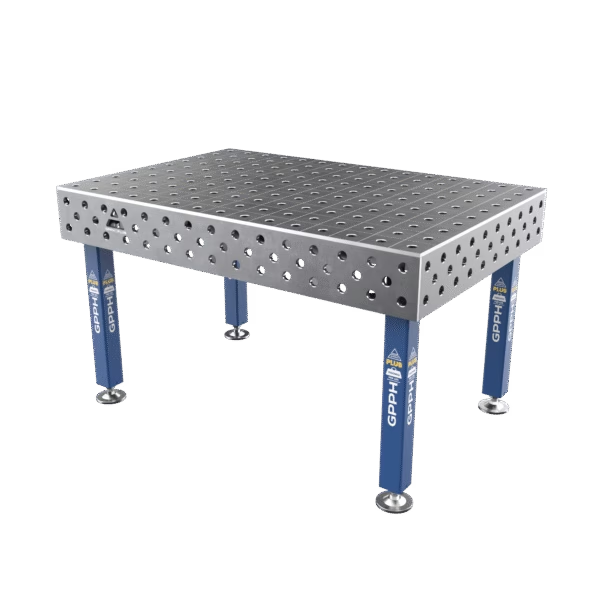
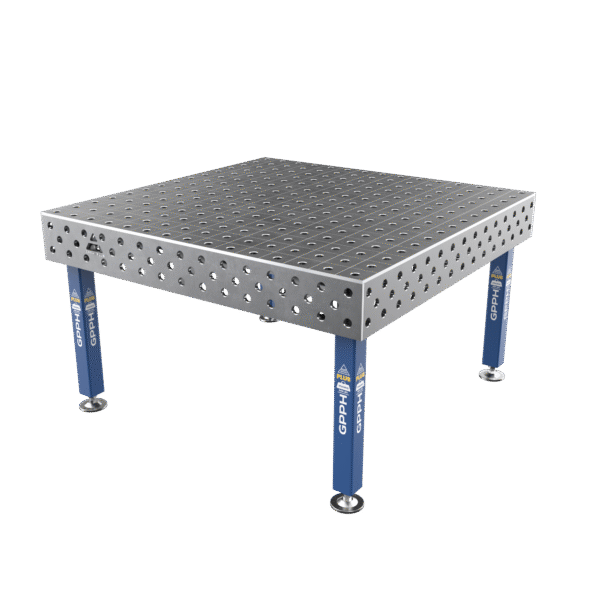
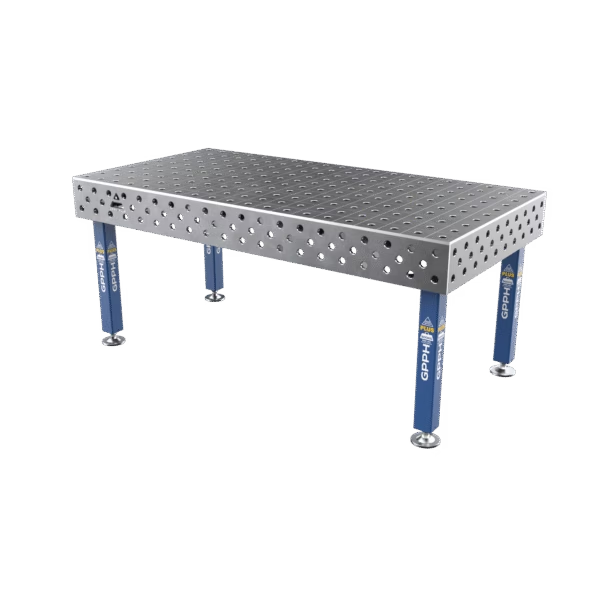
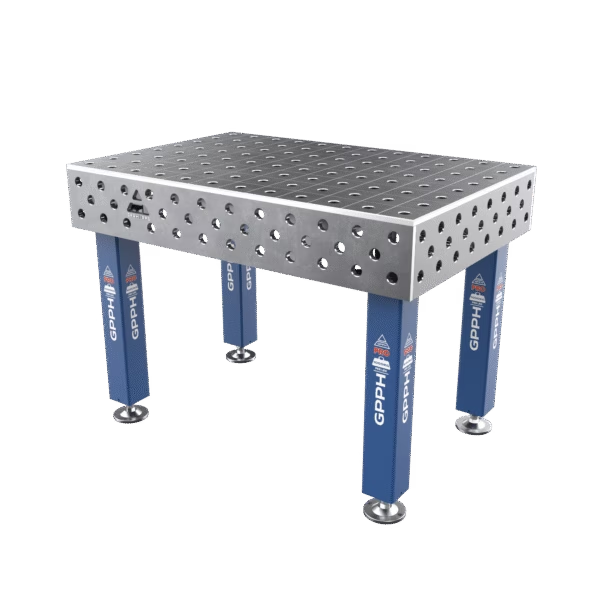
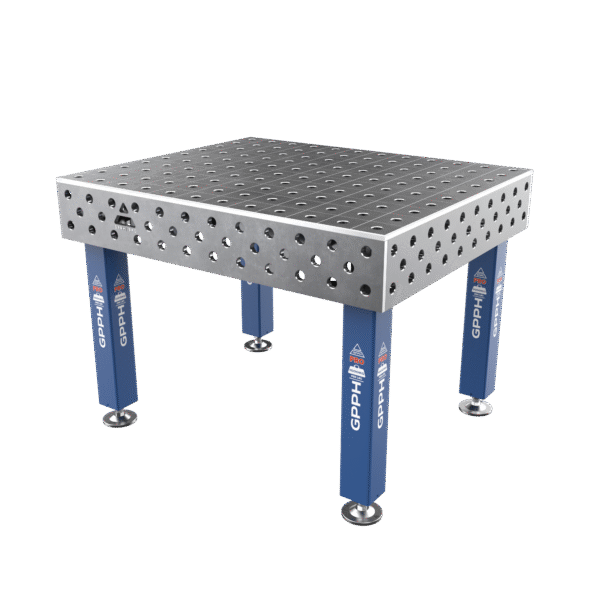
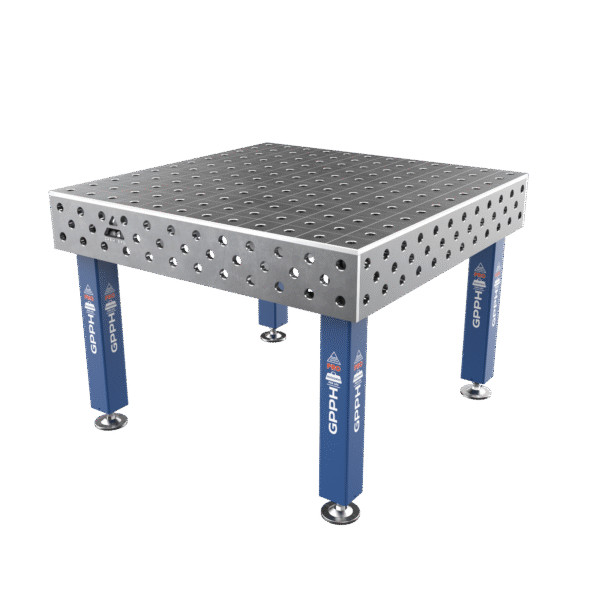
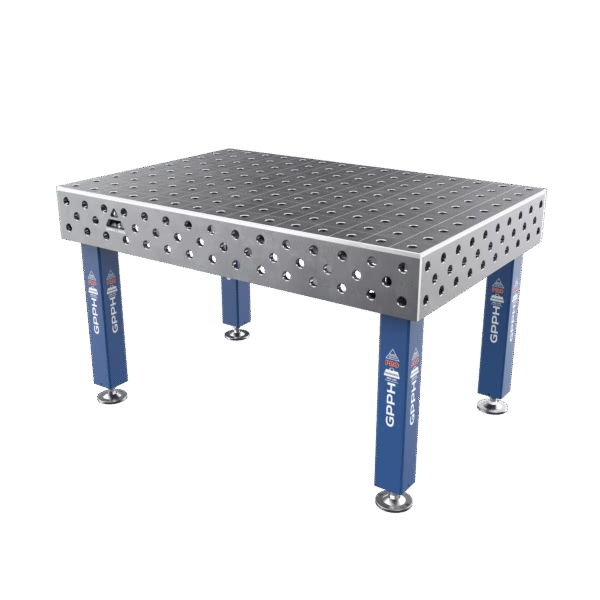
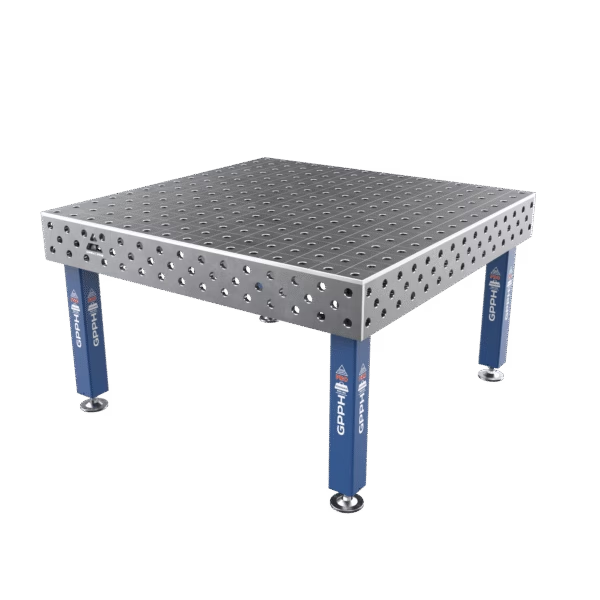
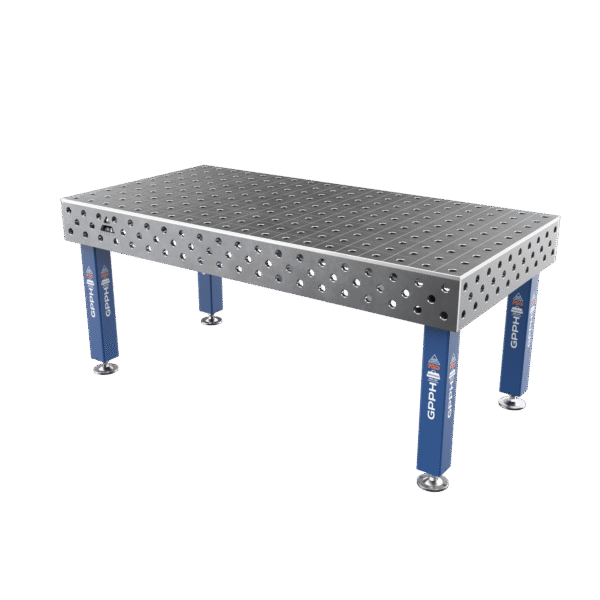
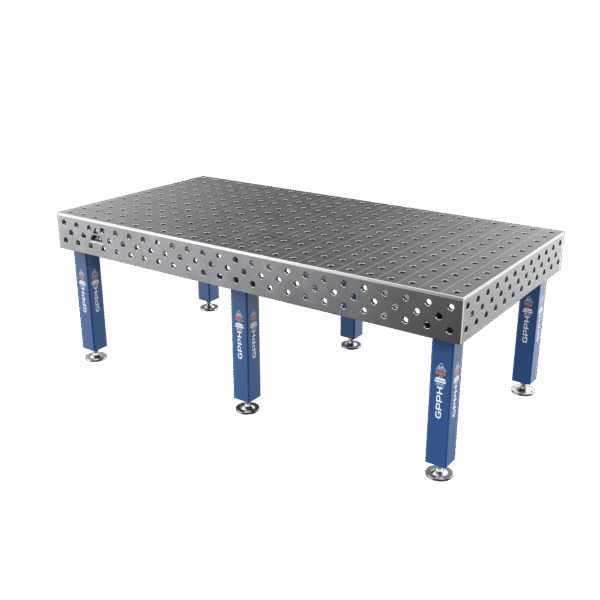
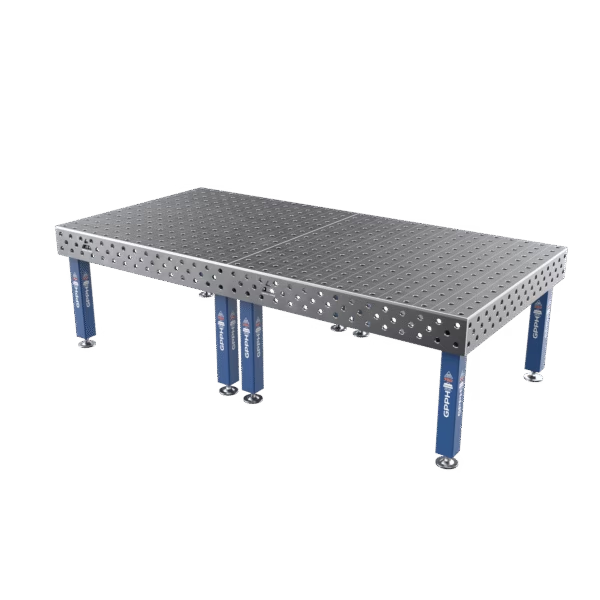
Traditional GPPH welding tables provide a stable surface for precisely positioning and clamping components, helping to maintain the dimensions and geometry of the structures being fabricated. The availability of Ø16 and Ø28 hole systems makes it possible to configure the workstation for both precision work with smaller components and larger welded structures.
Why does a traditional welding table make it easier to maintain the geometry of a structure?
Stabilna powierzchnia robocza oraz system otworów montażowych pozwalają ustawić, unieruchomić i kontrolować położenie elementów jeszcze przed rozpoczęciem spawania. W szerszej kategorii welding tables GPPH dostępne są konstrukcje przeznaczone do różnych zastosowań, natomiast modele tradycyjne tworzą stałą bazę do pozycjonowania detali za pomocą odpowiednich narzędzi mocujących.
This is particularly important when producing repetitive structures, where successive elements should be in the same positions. The hole system makes it possible to reproduce the positioning of stops, angle brackets or clamps, so preparing the next part may require less manual measuring and positioning.
Traditional GPPH welding tables are available in Ø16 and Ø28 systems and with various hole grid options. This makes it possible to adapt the work surface to the type of structures being made, the tools used and the desired flexibility in configuring the workstation.
Construction of traditional welding tables - S355J2+N steel and hole system
Blaty tradycyjnych stołów spawalniczych GPPH wykonywane są ze stali konstrukcyjnej S355J2+N, a poszczególne serie różnią się między innymi grubością blatu i konstrukcją dostosowaną do określonych zastosowań. Przykładem są Welding tables PRO and PLUS welding tables, które pozwalają dobrać parametry stanowiska do charakteru wykonywanych prac.
Milled and chamfered mounting holes make it possible to use tools for positioning and clamping components. The holes are also located in the side walls of the table, allowing tools to be installed not only on the tabletop but also on the side of the workstation. This makes it easier to clamp three-dimensional components and work with details that extend beyond the work surface.
Ø16 and Ø28 systems and various hole grid options make it possible to choose a configuration suited to the type of work being carried out. Rather than treating the number of holes solely as a technical parameter, it is worth considering it in terms of the subsequent arrangement of clamps, stops, angle brackets, and other tools.
GPPH recommends: When choosing a traditional welding table, do not focus solely on the dimensions of the tabletop. Also compare its thickness and flatness, the load capacity of the structure, the Ø16 or Ø28 system, and compatibility with tools, as these parameters directly affect the options for configuring the workstation later on.
How to choose the right traditional welding table?
A traditional welding table should be selected primarily according to the size of the structures being worked on, the required flatness and load capacity, the Ø16 or Ø28 hole system, and the tools that will be used at the workstation. A larger tabletop alone does not always mean a better choice - it is important to match the entire configuration to the actual way of working.
First, it is worth determining the typical dimensions of the parts to be welded. The work surface should provide space not only for the part itself, but also for supporting, positioning and securing it. When producing similar structures in series, the ability to quickly recreate the tool setup becomes particularly important.
Another criterion is the table design. The thickness and flatness of the tabletop, as well as its load capacity, should be considered in relation to the weight of the components being made and the intensity of use of the workstation. That is why GPPH offers several series of traditional welding tables designed for different types of work.
System Ø16 - when flexible positioning of smaller components matters
The Ø16 system uses mounting holes with a diameter of 16mm and allows you to create a workstation with compatible clamping and positioning tools. When choosing, it is also worth considering the hole pattern variant, as it affects the available mounting positions when setting up the workpiece.
Ø28 System - for configuring a workstation with Ø28 tools
The Ø28 system uses holes with a diameter of 28mm and is compatible with mounting tools designed for it. If a specific tooling system is already in use in the workshop, tool compatibility should be one of the first criteria when choosing another table.
Welding work surface - how to choose the tabletop size?
The size of the welding tabletop is best matched to the typical dimensions of the structures being made, leaving enough space to support and secure them. A surface that is too small can limit the options for positioning a component, while a larger table requires adequate space in the workshop and is not always necessary for small parts.
When planning a workstation, it is also worth considering the operator's access to the structure from different sides. The table does not function in isolation from its surroundings - the space around the work surface affects the ability to operate clamps, take measurements, and carry out welding and assembly work comfortably.
In repetitive production, the way tools are arranged on the work surface also matters. A properly configured work surface makes it possible to create a fixed layout for positioning parts and reduce the time needed to prepare subsequent components.
Tools for a welding table - how to build a functional workstation?
Stół spawalniczy wykorzystuje pełnię swoich możliwości dopiero w połączeniu z kompatybilnymi tools for welding tables. Otwory Ø16 lub Ø28 tworzą bazę montażową, na której można rozmieszczać elementy wyposażenia zgodnie z geometrią aktualnie wykonywanej konstrukcji.
Clamps help secure the workpiece, while stops and angle brackets can be used to position it in relation to the tabletop and other components. For repetitive work, a setup prepared once can become a reference point for subsequent structures, reducing the need to determine each position again from scratch.
Dobierając wyposażenie, należy zachować zgodność z systemem otworów stołu. Gotowe zestawy narzędzi spawalniczych mogą ułatwić skompletowanie wyposażenia stanowiska, natomiast przy indywidualnej konfiguracji można dobierać poszczególne narzędzia zgodnie z rodzajem wykonywanych konstrukcji. Decyzję o wyborze systemu Ø16 lub Ø28 warto więc podejmować z uwzględnieniem obecnego oraz planowanego wyposażenia warsztatu.
Ø16 and Ø28 systems, different hole pattern variants, and the option to mount tools on the tabletop and side walls make it possible to configure a workstation to suit the nature of the structures being fabricated. Choose a traditional GPPH welding table to match the dimensions of the components, the required tabletop specifications, and the tooling system used in your workshop.
Frequently Asked Questions
Which welding table system should you choose - Ø16 or Ø28?
The choice depends on the structures being made and the tools being used - both systems require compatible clamping equipment.
What should you look for when choosing a traditional welding table?
The key factors are the size, thickness and flatness of the tabletop, load capacity, hole system, and compatibility with the tools being used.
What are the holes in the side walls of a welding table for?
Side holes increase the options for mounting tools and help position components beyond the tabletop surface.

 Polski
 Čeština
 English (UK)
 English
 English (Australia)
 English (South Africa)
 English (New Zealand)
 Deutsch
 Deutsch (Österreich)
 Deutsch (Schweiz)
 Español
 Español de Costa Rica
 Español de Guatemala
 Español de Puerto Rico
 Español de Chile
 Español de Uruguay
 Español de República Dominicana
 Español de Perú
 Español de Colombia
 Español de Ecuador
 Español de Argentina
 Español de México
 Español de Venezuela
 Italiano
 Nederlands
 Français
 Français de Belgique
 Français (Algérie)
 Svenska
 Slovenščina
 Slovenčina
 Suomi
Suomi
 Norsk bokmål
 Português
 Português do Brasil
 Dansk
Dansk
 Eesti
Eesti
 Lietuvių kalba
 Latviešu valoda
 Magyar
 Română
 Türkçe
 Ελληνικά
 Українська
 Bahasa Indonesia
 Български
 Hrvatski
 Српски језик